-
Client(s)AG Vespa
-
Construction siteAntwerp
-
Project architectEvi Van Schooneveld
-
Architect teamAnke Vandenbempt, Thomas Cornelis
-
Partner(s)AAVO Architects, Arcade Engineering, Daidalos Peutz
-
Main contractorCordeel-Van Roey
-
CompetitionDBM Contract to design, build & maintain Technical Cluster North
-
StatusDesign
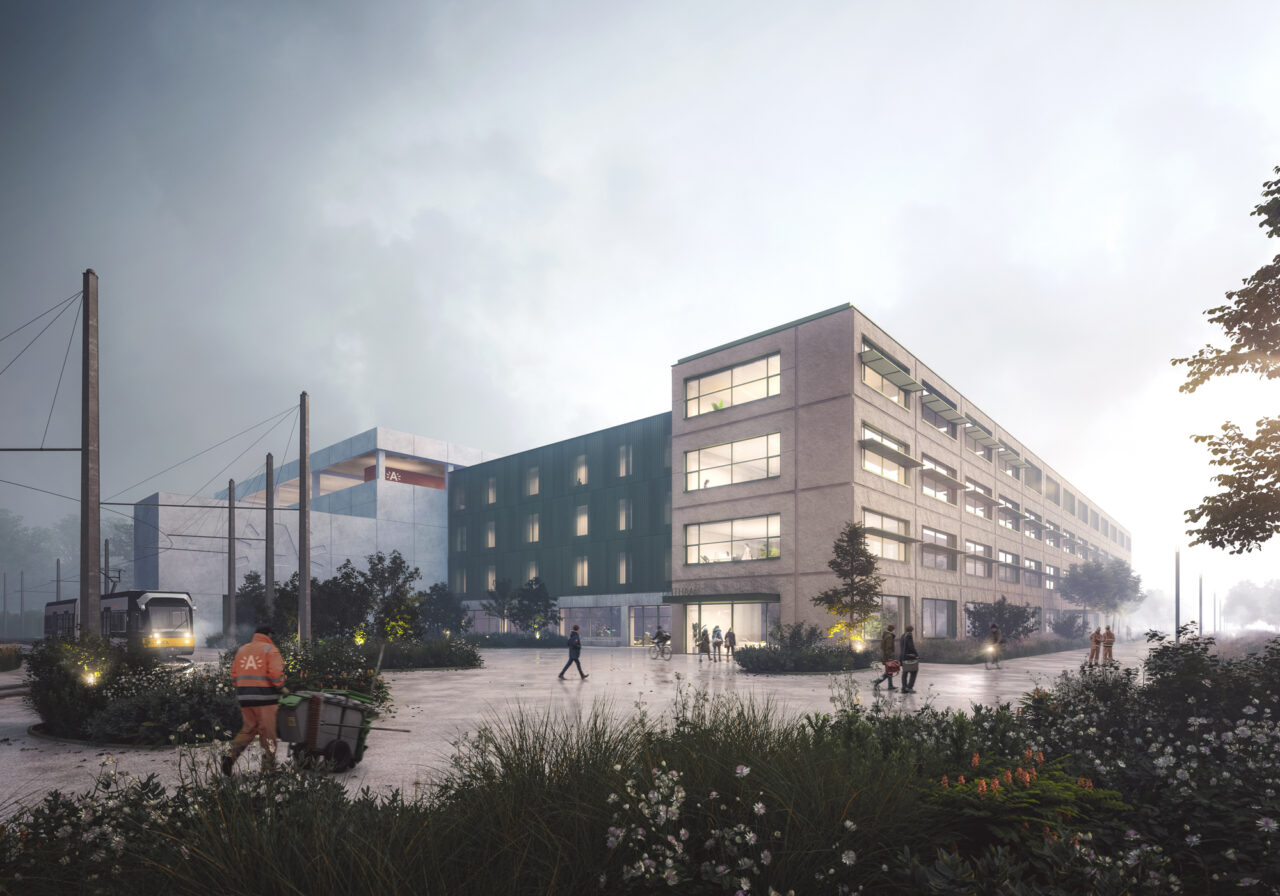
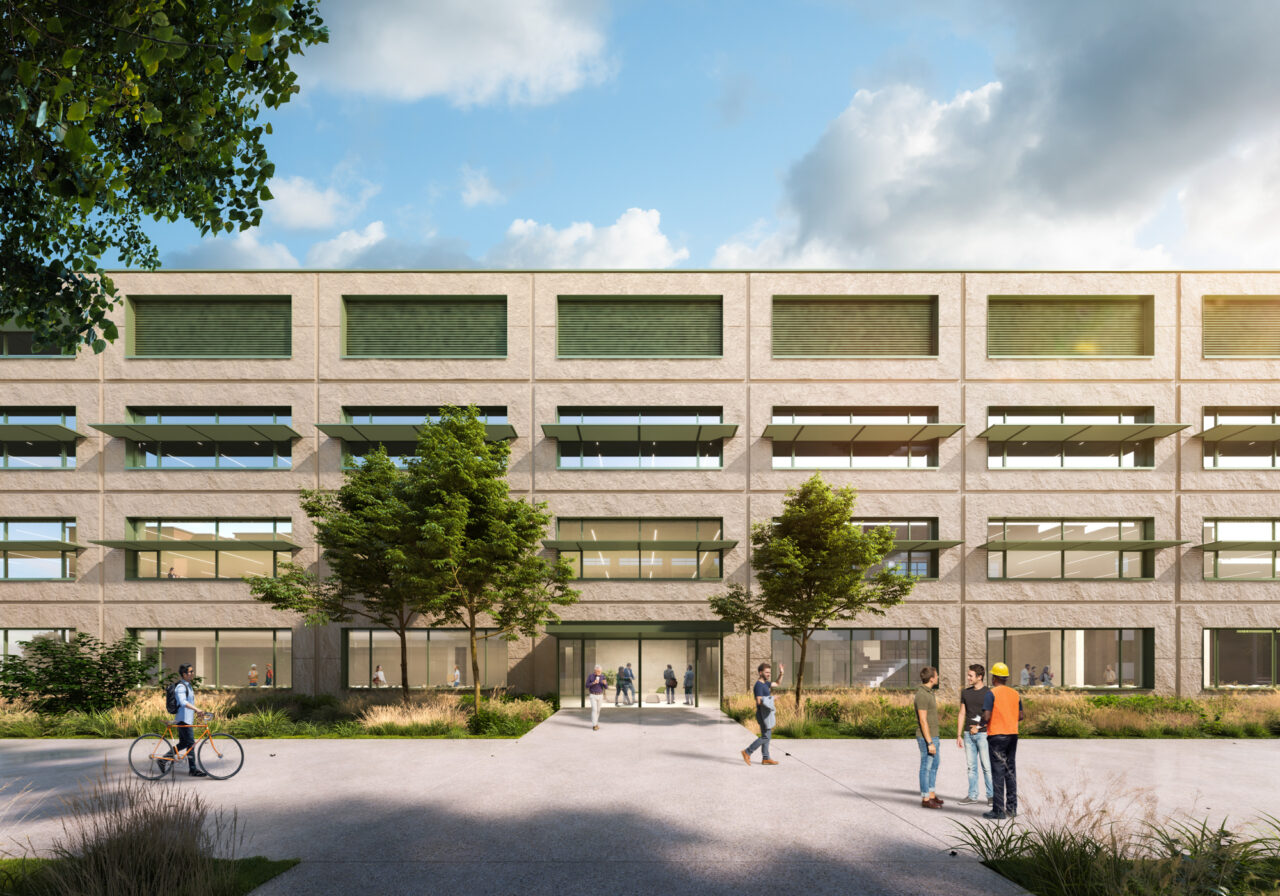
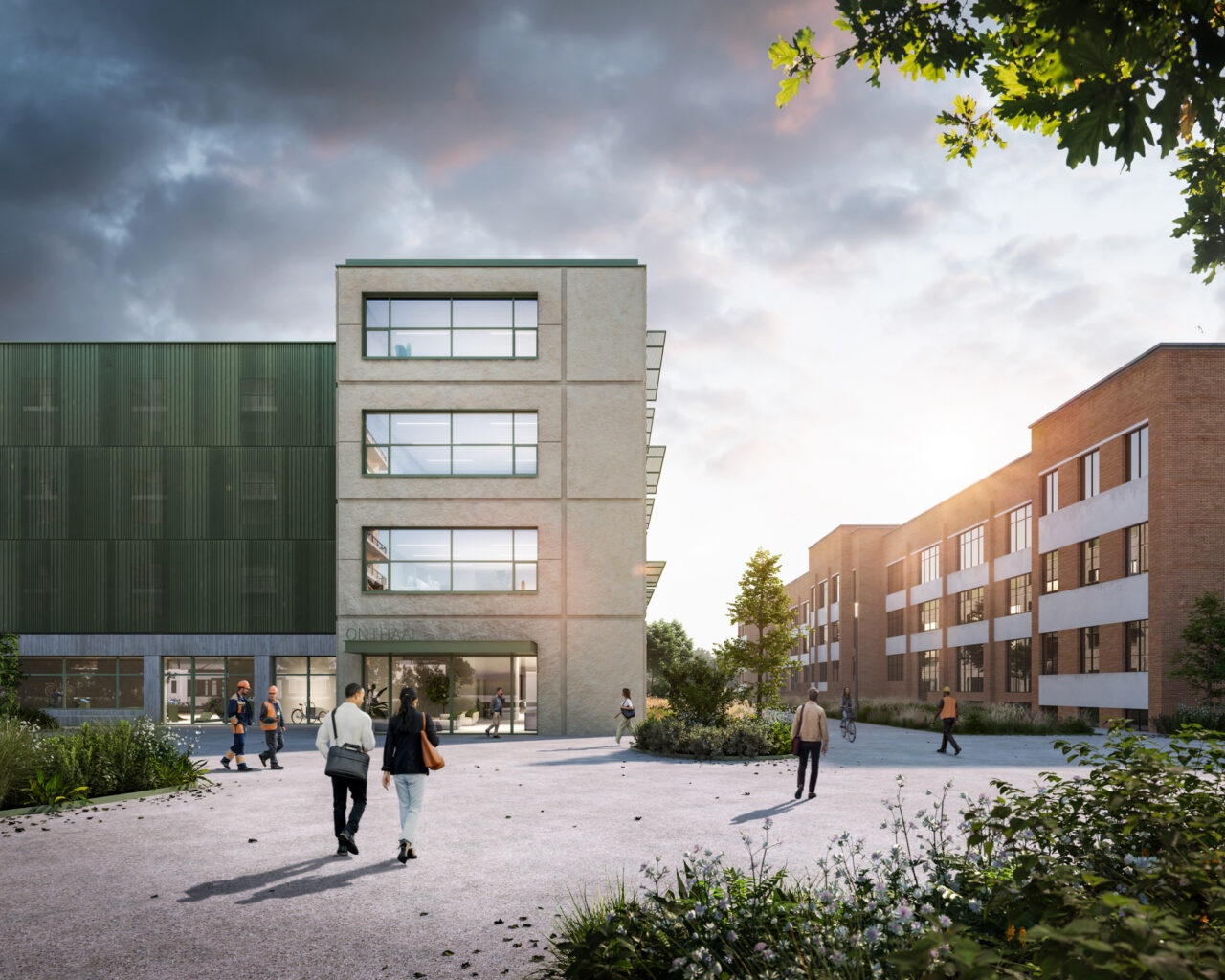
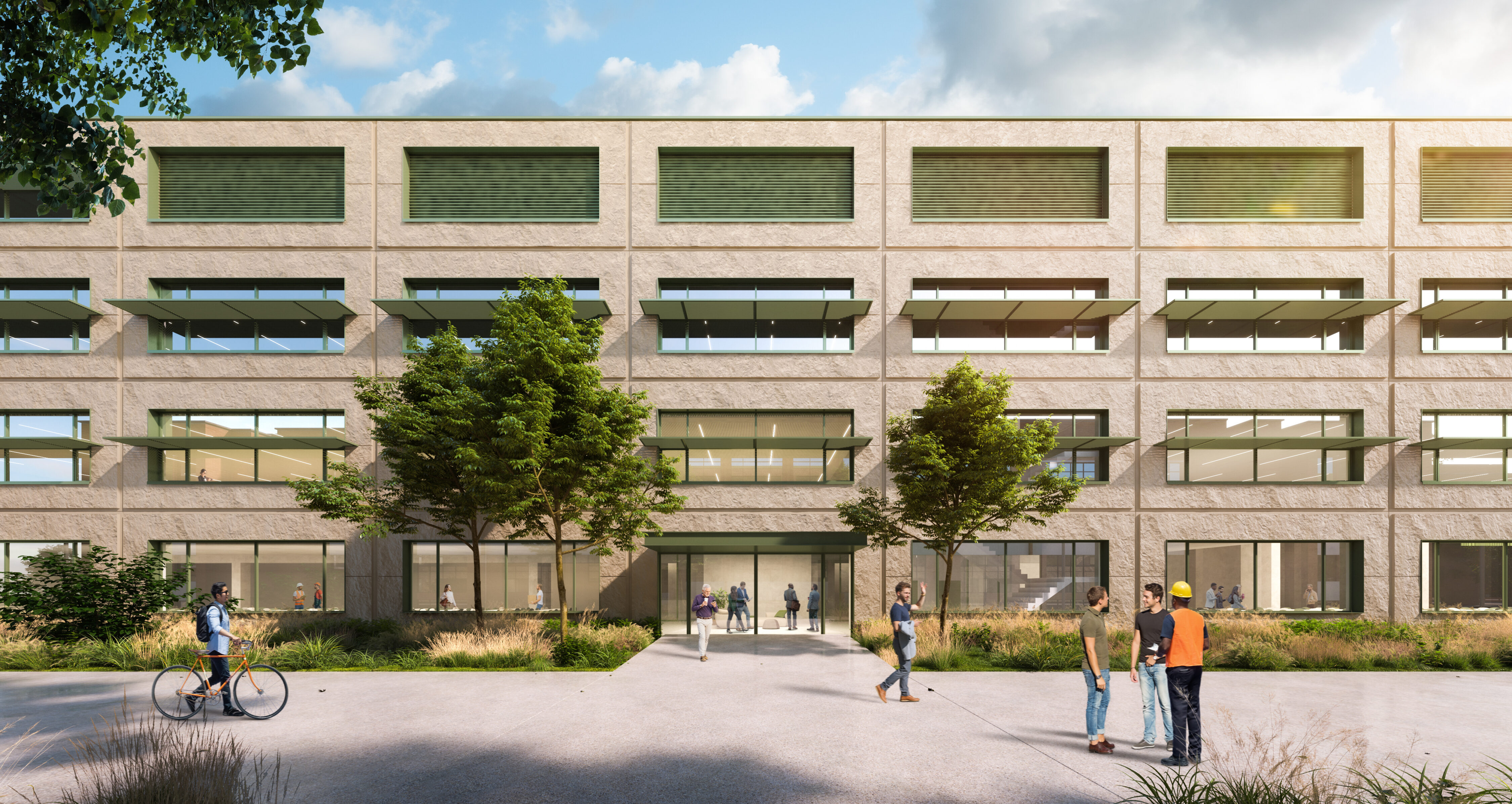
A new energy-neutral building will be constructed on the Havana site in the north of Antwerp to centralize a large portion of the city’s operational services. AG Vespa launched a search for the best partner to realize this project – ‘Technical Cluster North’.
The team Cordeel – Van Roey – BINST ARCHITECTS – AAVO architects was selected as the top candidate.
More than 1,500 logistics employees of the City of Antwerp maintain parks, roads, and buildings daily, support numerous events, and collect household waste. They ensure that the city remains a pleasant and attractive living environment for all residents and visitors. To guarantee high-quality service delivery, the city will centralize a significant portion of these operational services. This will result in one major site in the north of the city and a second in the south, at a location yet to be determined.
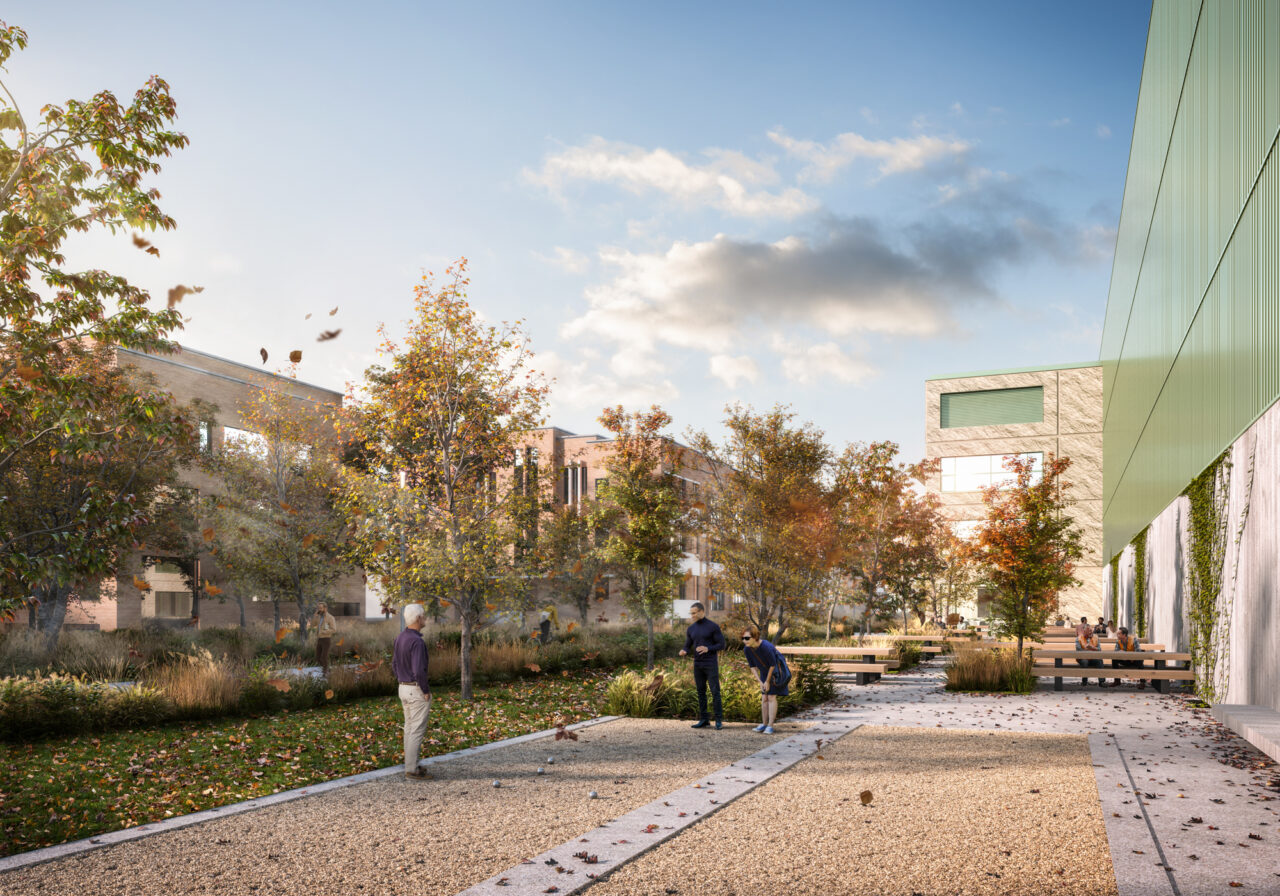
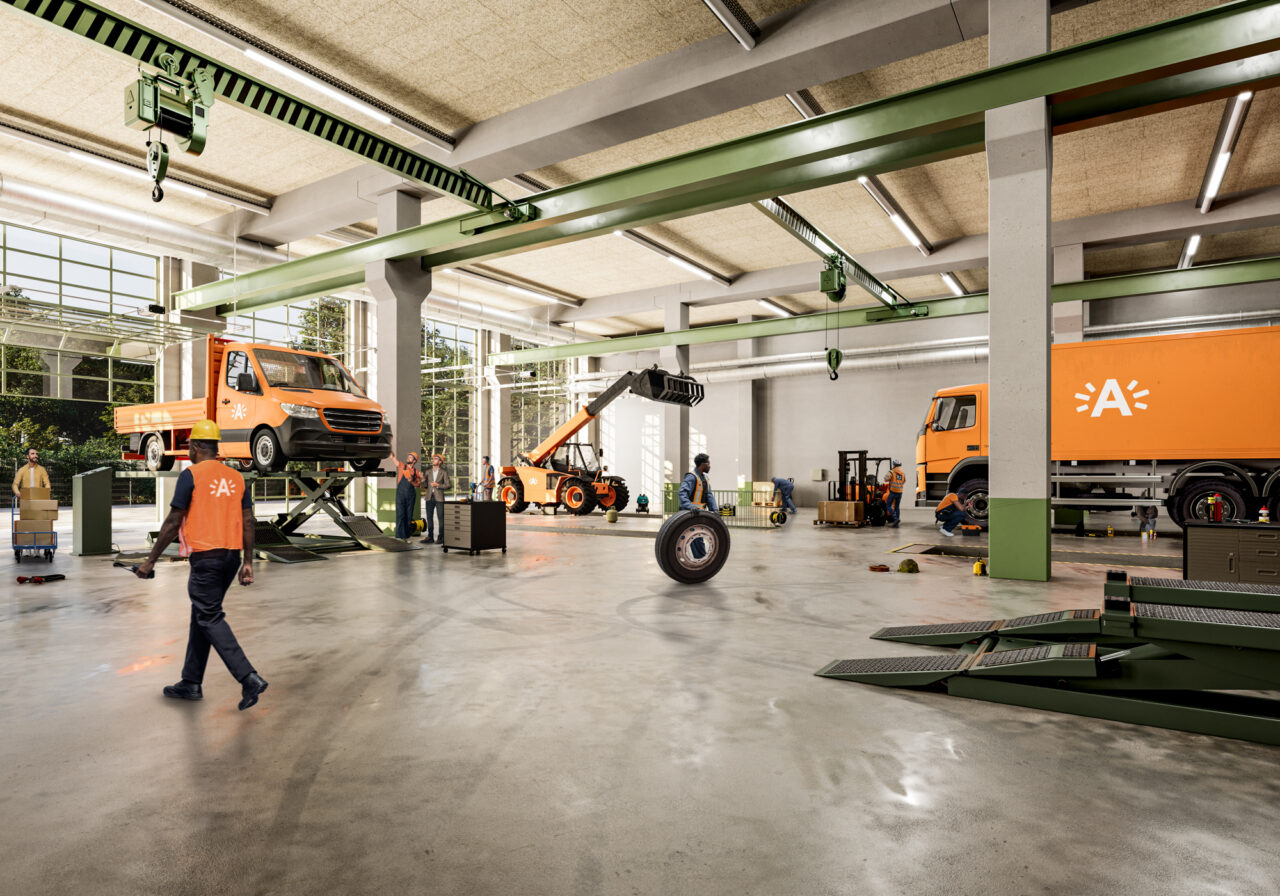
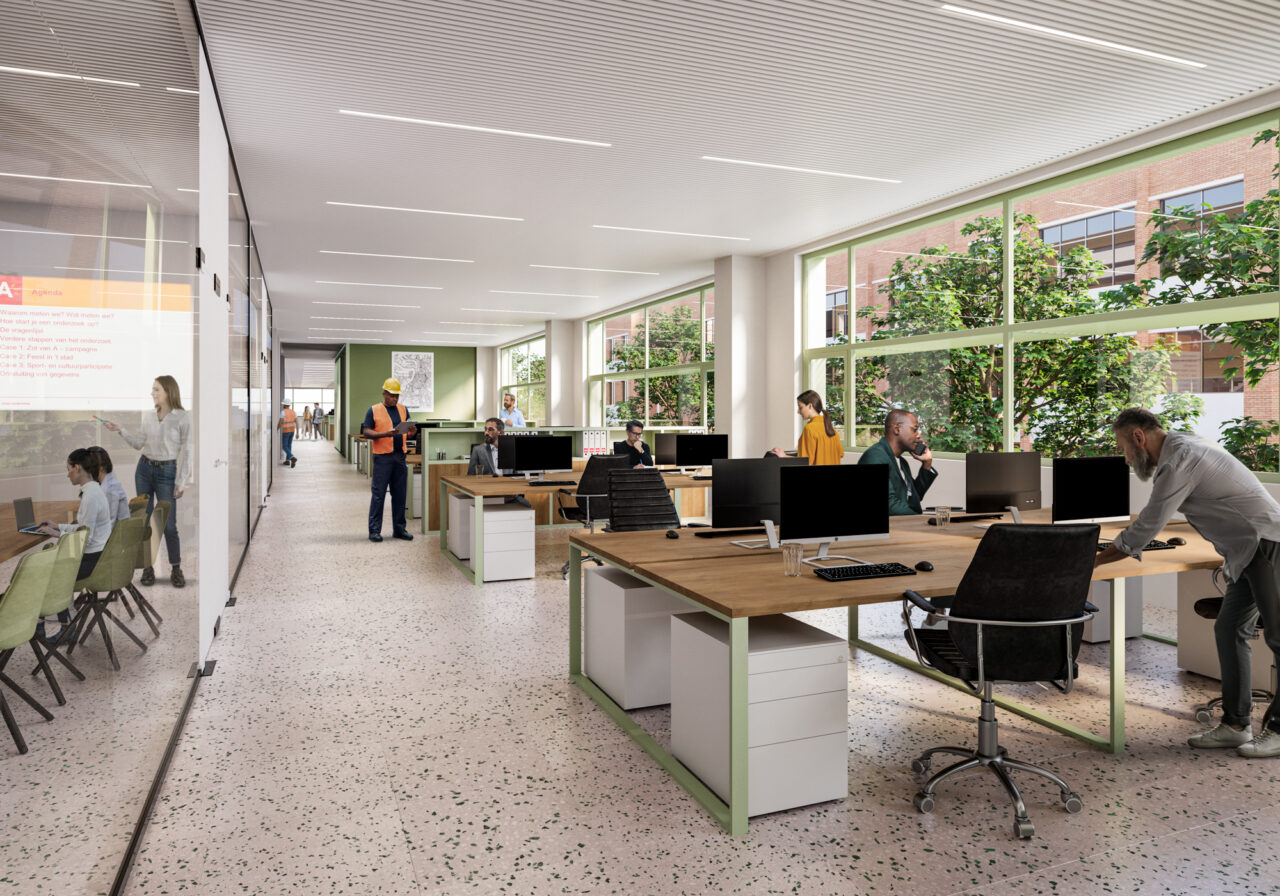
The CO2-neutral building will be located in the zone between the park-and-ride and the recycling center, north of the Housmanskazerne blocks. It will include a vehicle center, parking, indoor and outdoor storage, offices, changing rooms, and other supporting functions, covering nearly 60,000 m². Technical Cluster North will be easily accessible by public transport and bicycle. For commuting, staff will be able to use the adjacent Luchtbal park-and-ride to park their vehicles.
Design, Build & Maintain (DBM)
Following a negotiated procedure, the team Cordeel – Van Roey – BINST ARCHITECTS – AAVO architects was selected to deliver the project. They will design and construct the logistics center according to set requirements and will also be responsible for its maintenance afterward.
A sustainable design is the foundation of this project. To achieve this, the GRO assessment tool—developed by the Flemish Government’s Facilities Agency—is used. It covers a wide range of sustainability criteria and incorporates circular principles to guide the development of a future-oriented building. The design team aims to achieve an ‘excellent’ score on the GRO sustainability scale. The building will be fossil-free and energy-neutral. By applying passive design strategies, energy demand will be significantly reduced. The building will be connected to the district heating network.